Autonomic Dysreflexia and Spinal Cord Injury: How It Feels
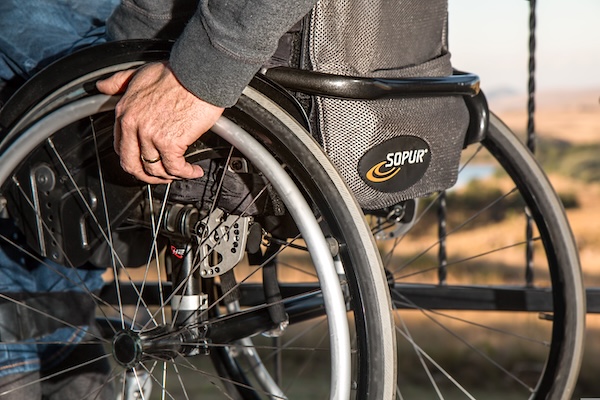
Autonomic dysreflexia and spinal cord injury go together more often than most people realise, and it doesn’t announce itself politely. It arrives as a headache that goes from nothing to blinding in under a minute, a wave of sweating on one half of your body, and a blood pressure spike severe enough to cause a stroke if nothing interrupts it. If you have a spinal cord injury above a certain level, it can be the most dangerous thing that happens to you on an ordinary day.
I didn’t know what it was the very first time it happened. I just knew something was very wrong, very fast, and that I had no way to explain it to anyone who hadn’t lived it.
What autonomic dysreflexia and spinal cord injury have to do with each other
In plain terms: below the level of a spinal cord injury, your body can’t always tell your brain what’s going on. Something as ordinary as a full bladder, a kink in a catheter, tight clothing, or a bowel that needs emptying can trigger a massive, uncontrolled spike in blood pressure — because the usual nerve pathways that would normally regulate it are interrupted.
Above the injury, the body tries to compensate. That’s where the pounding headache, flushed skin, and sweating come from. It’s the body’s alarm system going off without being able to identify or fix the actual problem itself.
Left untreated, it’s dangerous — seizures, stroke, and, in rare cases, death. The fix, once you know what’s happening, is often simple: find and remove whatever’s triggering it. The hard part is the “once you know.”
The isolation of a symptom nobody else can see
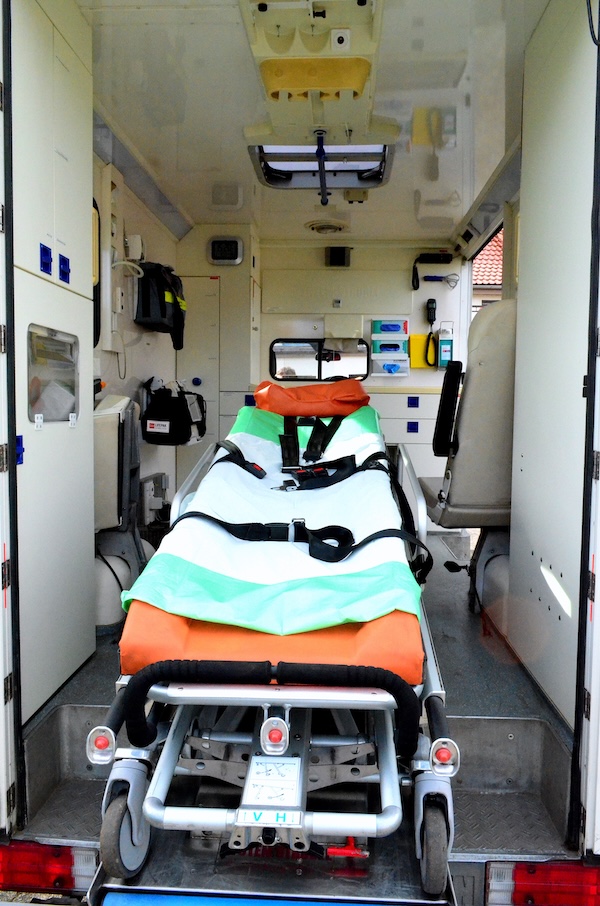
That’s the part I don’t think people expect. A dysreflexia episode doesn’t look like much from the outside. You might look flushed. You might look uncomfortable. You do not look like someone whose blood pressure has just spiked to a level that would put an able-bodied person in an ambulance immediately.
I remember trying to explain it to people around me in those early months at home — the headache arriving out of nowhere, the sweating on one side only, the sense that something in my body had gone seriously wrong even though nothing visible had changed. It’s hard to convey the urgency of a symptom nobody can see, especially when you’re still learning how to live with a disability.
There’s a specific kind of helplessness in that. It’s not just the physical vulnerability of not being able to fix the problem yourself, but the isolation of trying to make someone believe you, fast, about something they have no reference point for.
Learning to read my own body’s alarm system
Early on, I didn’t have a system. I had a headache and a rising sense of panic, and I was working out cause and effect in real time while it was happening. Over time — through episodes at home in those first months after coming back from rehab, layered on top of everything else that period involved — I learned to run through the likely causes almost automatically: bladder, bowel, clothing, position. Check them in order. Find the trigger. Remove it. Wait for the spike to come down.
What I didn’t expect was how much confidence it eventually built. Not confidence that it wouldn’t happen again — it did, more than once — but confidence that I could recognise it and act before it became a genuine emergency. That’s a strange kind of competence to develop: getting good at responding to your own body trying to hurt you.
I now keep a blood pressure monitor next to my bed and check it in the morning and evening, or whenever I feel my BP is too low or high. My GP has me on medication that brings it down quickly if a spike doesn’t settle on its own.
This is what works for me, under my own doctor’s guidance. If you’re living with dysreflexia yourself, your care team’s instructions always come first — and an authentic episode is worth an emergency call, not a wait-and-see.
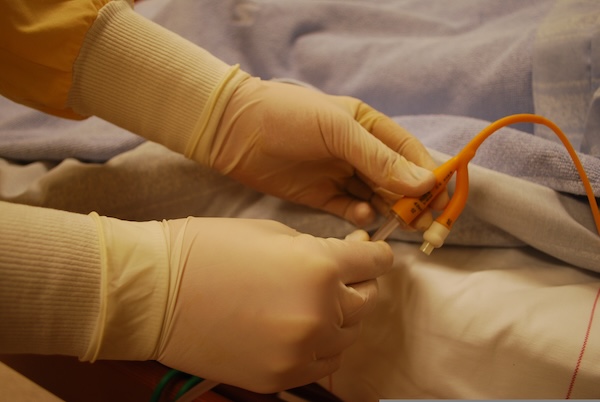
These days I run through the same checks almost automatically. Is the catheter still in place? Is it actually draining? Has sediment built up and blocked it? Has the leg bag filled without me noticing? It became one more item in a body catalogue I hadn’t asked for — alongside bowel management, falls, medication changes, all landing in the same stretch of time.
A few of the ways it’s caught me over the years: waking from sleep to find the leg bag had shut off. Being awake and realising the bag or bladder had filled without warning. The catheter slipping out entirely while swimming once, which meant getting back to somewhere private and pushing it back in myself while waiting for help. None of it dramatic in the retelling. All of it exhausting in the living.
Why autonomic dysreflexia and spinal cord injury deserve more attention together
Autonomic dysreflexia isn’t a symptom that makes it into most conversations about spinal cord injury, even though for a lot of people it’s one of the more frightening parts of daily life. It doesn’t have the visibility of a wheelchair or the immediate sympathy that comes with an obvious injury. It’s invisible, technical, and genuinely dangerous — a combination that makes it hard to talk about and easy to under-explain.
If you’re living with it yourself, I hope this makes you feel less alone in how strange and isolating it can be. If you’re not, I hope it’s a small window into a part of disability that rarely gets talked about — the parts that don’t show, that still have to be managed, explained, and survived, often without anyone else in the room understanding what’s actually happening.
About the book

Alive and Not Kicking is my memoir — the story of what happened before, during and after 11 September 2009, when a falling tree branch left me paralysed. It’s not a story about overcoming my health issues. It’s a story about living with them: disability, chronic pain, institutional failures, family strain, humour that showed up in the worst moments, and a faith that grew slowly, through honest questions rather than easy answers.
The book is coming in mid-2027. If any of this is familiar — living with a spinal cord injury, helplessness, disappointment, a faith that’s been tested rather than confirmed — I wrote it for you.
Join the mailing list at alive-and-not-kicking.com, and I’ll send you part of the opening chapter for free, along with occasional updates and first news of the release date. No spam, ever — unsubscribe anytime.
John Duthie. (Click here for personal website and here for blogs)